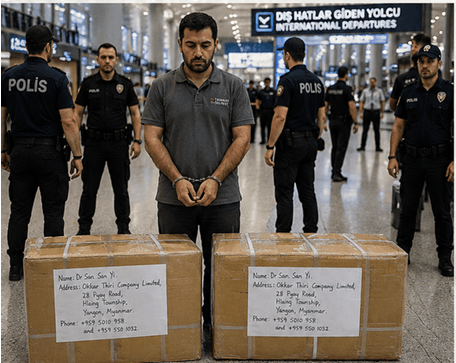
When a shipment is flagged by customs officials, it triggers a carefully defined sequence of events. This article walks through the typical process — from initial risk assessment to the final disposition of suspicious cargo.
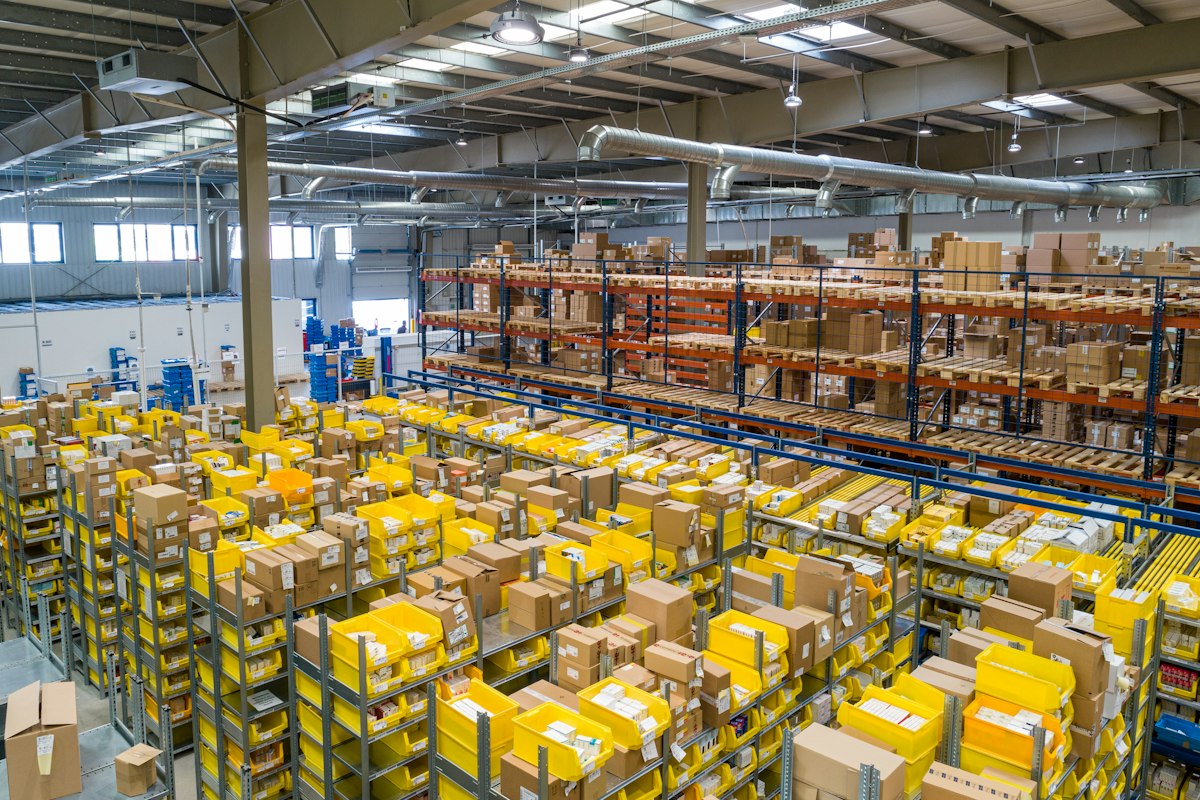
Step 1: Risk Assessment
Every shipment entering or leaving a country undergoes some level of risk assessment. Customs authorities use a combination of:
- Automated risk scoring — Computer systems analyze data patterns and flag shipments that deviate from normal parameters.
- Profiling — Certain routes, shippers, or goods may trigger additional scrutiny based on historical intelligence.
- Random selection — Even low-risk shipments may be selected for inspection as part of routine compliance checks.
The risk assessment process is designed to balance security concerns with the need to facilitate legitimate trade. Over 95% of shipments pass through with minimal intervention.
Step 2: Initial Notification
When a shipment is flagged, the customs authority may:
- HOLD the shipment for inspection
- REQUEST additional documentation from the importer or exporter
- NOTIFY relevant authorities if potential criminal activity is suspected
In cases involving potential smuggling or illegal activity, the customs authority will often coordinate with police, financial intelligence units, or other law enforcement agencies.
Step 3: Documentation Review
Before conducting a physical inspection, customs officials will typically request and review all relevant documentation, including:
- Commercial invoices
- Packing lists
- Bills of lading or airway bills
- Import/export permits
- Certificates of origin
- Any other required regulatory documentation
Discrepancies between documents — or missing documents — can be grounds for deeper investigation.
Step 4: Physical Inspection
If documentation raises questions, or if the risk score remains high, customs officials may order a physical inspection. This can range from:
- Non-intrusive inspection — Using x-ray or gamma-ray scanners to examine the contents of sealed containers.
- Physical examination — Opening the container or package and inspecting the contents manually.
- Full inventory reconciliation — Counting and verifying every item against the declared manifest.
The level of inspection depends on the nature of the suspicion and the resources available.
Step 5: Testing and Analysis
In some cases, goods may be sampled and sent for laboratory testing. This is common when:
- Goods are misclassified (e.g., hazardous materials incorrectly labeled)
- Intellectual property violations are suspected (counterfeit goods)
- Sanitary or phytosanitary issues are identified
Testing can take days or even weeks, depending on the complexity and the availability of testing facilities.
Step 6: Determination
Based on the findings, customs officials will make a determination. Possible outcomes include:
- Release — The shipment is cleared and released to the importer.
- Additional duties and taxes — If goods were undervalued or misclassified.
- Penalties — Fines or penalties may be imposed for non-compliance.
- Seizure — If serious violations are identified, the goods may be seized.
- Referral for prosecution — In cases of alleged criminal activity, the matter may be referred to law enforcement.
Step 7: Post-Release Review
Even after a shipment is released, customs authorities may continue to review the documentation and the handling of the case. This can lead to:
- Future shipments being subjected to enhanced scrutiny
- Changes to risk profiles
- Systemic improvements in customs procedures
What This Means for Importers and Exporters
For legitimate businesses, the key to smooth customs clearance is:
- Accurate and complete documentation
- Honest declarations of value and origin
- Understanding of applicable regulations
- Maintaining clear records
Customs officials are not looking for trouble — they are looking for compliance. The vast majority of shipments are cleared without incident.
This article provides a general overview of customs procedures. Specific procedures may vary by country and by the nature of the goods being shipped.